
Patients are voicing the need for affordable access to medicines. Despite lower net prices, individuals and families continue to face rising premiums, deductibles and out-of-pocket costs.
Why? Because the system patients navigate today is increasingly complex, and they struggle to understand how cost-sharing mechanisms and rebate structures determine what they pay at the pharmacy counter.
Johnson & Johnson has played a leading role in advancing value, patient access and innovation, and has worked to advance transparency in the U.S. healthcare system. Johnson & Johnson Innovative Medicine invested over $103 billion since 2016 in research and development (R&D) to deliver breakthrough treatments across some of the most serious diseases.
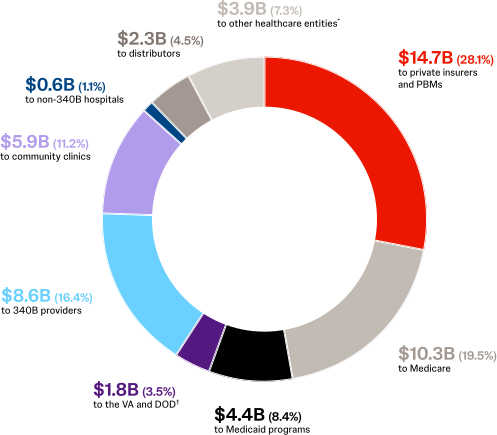
At the same time, fees, discounts and rebates have grown, totaling $52.5 billion in 2025, reflecting the increasing share of value flowing through to insurers, pharmacy benefit managers (PBMs) and other stakeholders in the healthcare system. But patients continue to face rising out-of-pocket costs and growing barriers to care.
What barriers prevent patients from accessing innovative medicines?
Insurance barriers—such as coverage restrictions, excessive cost-sharing and utilization management—drive up costs, often leading to delays or denials of care. These delays and inflated costs can lead to medication abandonment due to high out-of-pocket costs and lack of access, resulting in worsened health outcomes.
According to a 2025 report from IQVIA, Americans spent $98 billion out-of-pocket on prescription drugs in 2024, marking a cumulative 25% increase over five years. An analysis of MarketScan claims found that, among commercially insured patients (ages 18-64), out-of-pocket costs for branded medicines increased by 55% between 2019 and 2023 and nearly doubled since 2016 – even after adjusted for inflation.
What policy reforms can improve patient access and lower costs?
Implementing policies that expand access, reward valuable care and eliminate barriers like restrictive step therapy and prior authorization is crucial. Policymakers should:
- Pass discounts and rebates directly to patients at the point of sale, so lower net prices translate into lower out-of-pocket costs.
- Reform prior authorization and step therapy to minimize burden, delays in care and ensure clinical rigor.
- Reform PBM incentives to recognize clinical benefit to the patient.
- Eliminate patient assistance abuse, including accumulators, maximizers and alternative funding programs (AFPs) that artificially exclude medicines from coverage in order to access manufacturer assistance for uninsured patients or foreign suppliers.
- Enact legislation to increase transparency and accountability in the 340B Program, as program participants profit by charging a much higher rate for medications than the discounted price they receive.
For ten years, Johnson & Johnson has led the industry in pricing transparency—providing data, insights and honest accounting of the forces shaping medicine costs. Johnson & Johnson will continue to advocate for policies that reward innovation that directly benefits American patients, expands equitable access and delivers affordability patients can feel.
The new issue brief, Patient access and cost barriers in the U.S. healthcare system, offers data and insights to help educate policymakers and stakeholders on why patients continue to face rising out-of-pocket costs and growing barriers to care.
Key terms:
- Alternative Funding Programs (AFPs): Programs used by some insurers to redirect patients to external assistance programs, which can limit the use of copay support and create additional barriers to accessing prescribed treatments.
- Net Price: The actual price received by the manufacturer after fees, discounts and rebates are paid to insurers, PBMs and other entities, typically much lower than the list price.*
- Pharmacy Benefit Managers (PBMs): Third-party companies that manage prescription drug benefits for insurers and employers—including negotiating rebates—decide which medicines patients have access to and the cost.
- Prior Authorization: A requirement that providers obtain approval from an insurer before a prescribed medicine is covered, which can delay or prevent patients from starting treatment.
- Step Therapy: An insurance practice that requires patients to try and fail one or more medicines before accessing the treatment originally prescribed by their doctor
*While fees are distinct from price, discounts and rebates, we include them in this definition of net price to better reflect total reductions from list price
© Johnson & Johnson and its affiliates 2026 10/26 cp-599266v1